4 Benefits of Crane Services for Roofing Projects
Understanding the integral role crane services play in the roofing industry is essential for optimizing project efficiency, safety, and cost-effectiveness. This blog explores the benefits these services bring to roofing projects, offering a comprehensive overview for industry professionals. By leveraging crane technology, roofing projects can achieve enhanced productivity and meet tight deadlines more effectively. The utilization of these services is not just a matter of convenience but a strategic decision that impacts the overall project lifecycle. The following sections will explore how cranes are revolutionizing the construction landscape, making them indispensable for modern roofing projects.
1. Enhanced Efficiency and Productivity
One of the most significant benefits of crane services in roofing projects is the elevated level of efficiency they bring. Cranes facilitate streamlined material transportation, allowing for the rapid movement of heavy roofing materials from the ground to the rooftop. This mechanization significantly reduces the requirement for manual labor, resulting in faster completion times and lower labor costs. According to HomeGuide, the cost of renting a crane for setting roof trusses ranges from $200 to $700 per day, making it a worthwhile investment for enhancing productivity. By reducing the reliance on manual labor and focusing on machine-driven efficiency, roofing projects can be completed more quickly and with fewer resources.
The reduction in labor time is another pivotal advantage. Cranes eliminate much of the traditional manual handling associated with roofing, allowing for quicker completion of tasks. Workers can focus on other critical aspects of the project, such as installation and inspection, rather than spending excessive time on material transport. Moreover, these services enable project managers to adhere to tight timelines, ensuring that deadlines are consistently met. The mechanized approach also minimizes the risk of delays, which are often costly in terms of both time and money.
Furthermore, crane operations are characterized by minimal downtime. The setup and teardown of cranes is relatively quick, allowing for more working hours and increased daily output. With less time wasted on manual material handling, projects can progress more smoothly and efficiently. Scheduled lifts further enhance project timelines by reducing wait times, as materials can be allocated to specific time slots, optimizing the workflow. By effectively coordinating crane operations with other project activities, overall productivity is elevated to new heights, showcasing the invaluable role cranes play in modern roofing projects.
2. Improved Safety Measures
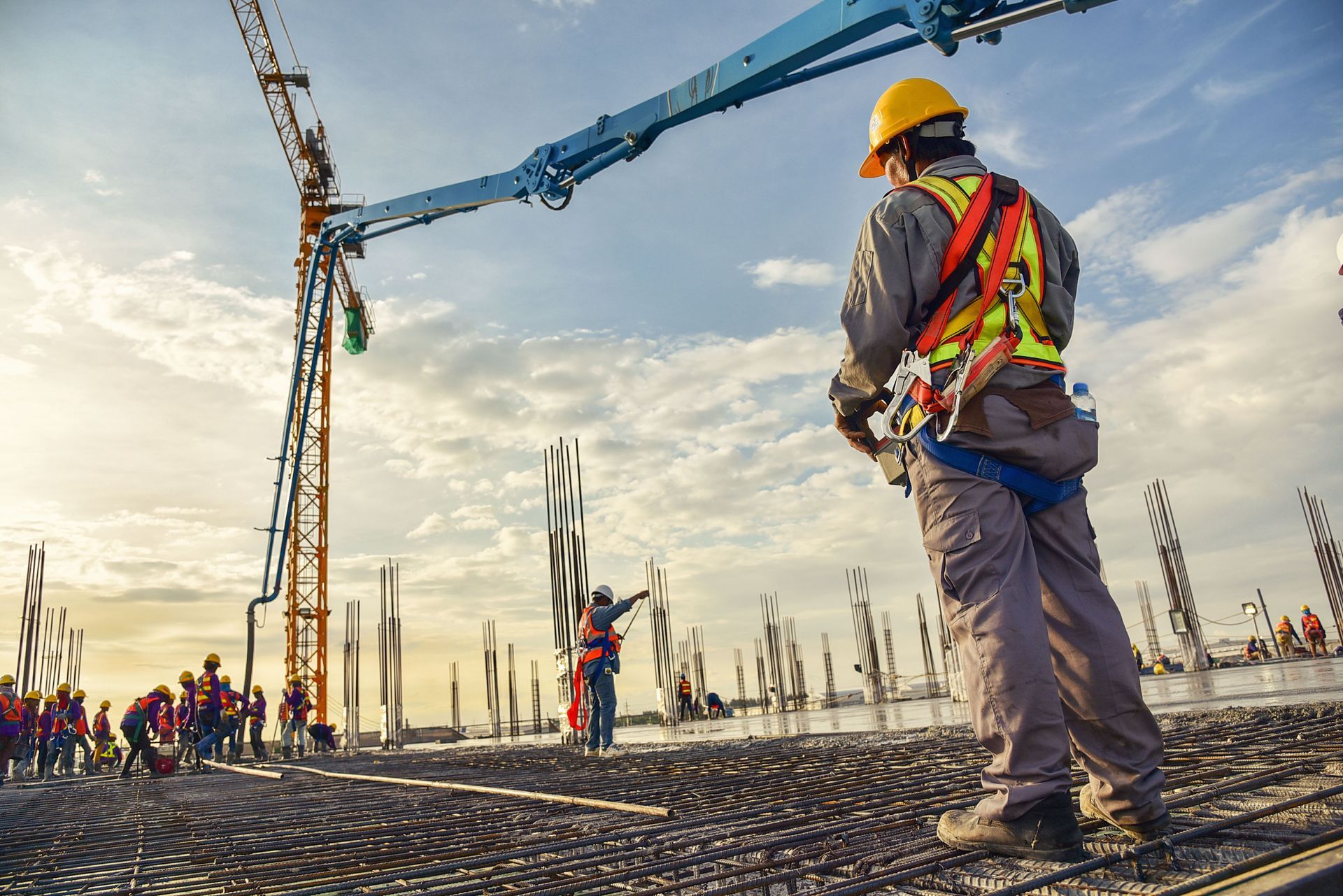
Safety is a paramount concern in any construction project, and the use of crane services significantly enhances safety measures on roofing sites. Cranes minimize fall risks by reducing the need for workers to climb heights with heavy materials, which is traditionally one of the most hazardous tasks in roofing. This not only protects workers from potential injuries but also ensures compliance with safety regulations and standards. Additionally, cranes provide secure load handling capabilities, stabilizing materials during transport and reducing the risk of accidents. By prioritizing safety through technology, these services create a more secure environment for workers and project stakeholders alike.
The presence of professional crane operators further bolsters safety on roofing sites. Trained and certified personnel operate cranes, ensuring that high safety standards are maintained throughout the project lifecycle. These operators are equipped to handle complex lifting operations, and their expertise minimizes the occurrence of mishaps. Moreover, their knowledge of emergency protocols allows for quick response capabilities in unforeseen incidents, adding another layer of safety. By availing the services of professional crane operators, construction firms can rest assured that their projects adhere to the highest safety standards.
Lower accident rates are documented benefits of using these services in roofing projects. By reducing the dependence on manual labor and implementing mechanical lifting, projects witness a significant decline in site accidents. This not only contributes to a safer work environment but also enhances project reputation and trustworthiness. The peace of mind that comes with reduced accident rates is invaluable, as it translates to fewer delays, lower insurance premiums, and improved morale among workers. Ultimately, these services offer a compelling case for their inclusion as core components of safety strategies in roofing projects.
3. Cost-Effectiveness
Incorporating crane services in roofing projects proves to be cost-effective on several fronts. One of the most tangible benefits is the reduction in long-term costs associated with extensive labor teams. By minimizing the need for a large workforce, construction firms can significantly reduce payroll expenses. Moreover, the efficiency brought about by these services leads to quicker project completion, meaning fewer days billed for work. Firms can thus allocate resources more effectively, optimizing budgets and maximizing overall profitability.
Additionally, these services offer a strategic advantage in equipment costs. With cranes handling the majority of lifting tasks, there is no need to purchase a variety of other lifting devices. By renting cranes, roofing projects can access state-of-the-art equipment without the burden of ownership costs. This flexibility allows construction companies to choose from different service packages that best fit specific project budgets. As a result, the cost implications of these services are offset by the benefits of enhanced operational efficiency and reduced equipment expenditure.
Another financial advantage of these services is their contribution to avoiding property damage. Precision lifts significantly reduce the risks of damaging existing structures during material handling. This precision ensures that repairs and additional costs are minimized, further enhancing project cost-effectiveness. Overall, the initial investment in these services is justified by the savings in labor costs, reduced equipment purchases, and avoidance of damage-related expenses. By fostering a cost-efficient approach to roofing projects, cranes play a critical role in achieving financial sustainability for construction firms.
4. Advanced Technology Utilization
The integration of advanced technologies within crane services propels roofing projects into the modern era. Modern cranes are equipped with state-of-the-art controls that enhance their operational capabilities. This technology enables precision lifting, allowing for delicate operations to be performed with accuracy. The adoption of such technologies means that roofing projects can be completed to higher standards, both in quality and efficiency. By embracing technological advancements, these services continue to lead the charge in transforming the construction industry landscape.
The use of digital planning tools further complements crane operations in roofing projects. The integration of cranes with digital scheduling platforms ensures that project timelines are meticulously aligned. This digital synergy allows for better coordination of tasks, avoiding scheduling conflicts that could hinder progress. Remote control operations also grant increased accuracy and precision, as operators can perform tasks safely from a distance. As crane technology continues to evolve, roofing projects stand to benefit immensely from these innovations, keeping them at the forefront of construction practices.
Real-time monitoring presents another technological advantage of utilizing these services. Live feedback on operation progress and safety checks provides valuable insights for project managers. This constant monitoring ensures that any issues can be promptly addressed, preventing potential delays. Furthermore, real-time data facilitates transparent communication between stakeholders, creating a cohesive project environment. By leveraging advanced technology, these services contribute to the optimization of roofing projects, driving industry standards to new heights.
In essence, crane services provide indispensable advantages for roofing projects through enhanced efficiency, improved safety, and cost savings. Their capability to access hard-to-reach areas and eco-friendly operations only further solidifies their critical role in advancing industry standards and achieving optimal project outcomes. By embracing modern crane technologies, roofing projects can thrive in the competitive construction landscape. Call DNJ Crane Service today to learn more about our crane services.
Share On: