Contacting Your Local Crane Services
Moving heavy equipment, lifting roof trusses, or placing a backyard swim spa requires far more muscle than a standard truck or forklift can offer. When a job involves lifting massive weight safely into tight or high places, calling in professional help is the smartest move you can make. Reaching out to local crane services gives homeowners, builders, and business owners access to heavy lifting machines and trained operators who know how to handle big jobs without damaging your property. Good planning before you pick up the phone saves time, prevents delays, and keeps your budget on track.
The demand for skilled lifting crews continues to climb across residential neighborhoods and commercial job sites alike. According to Zippia, there are more than 36,700 crane operators in the United States. Even with thousands of operators working nationwide, booking the right crew takes clear communication and basic preparation on your part. When you understand what machines exist, what details to share, and what questions to ask, working with a skilled lifting crew becomes simple and stress-free from start to finish.
Exploring Different Types of Cranes
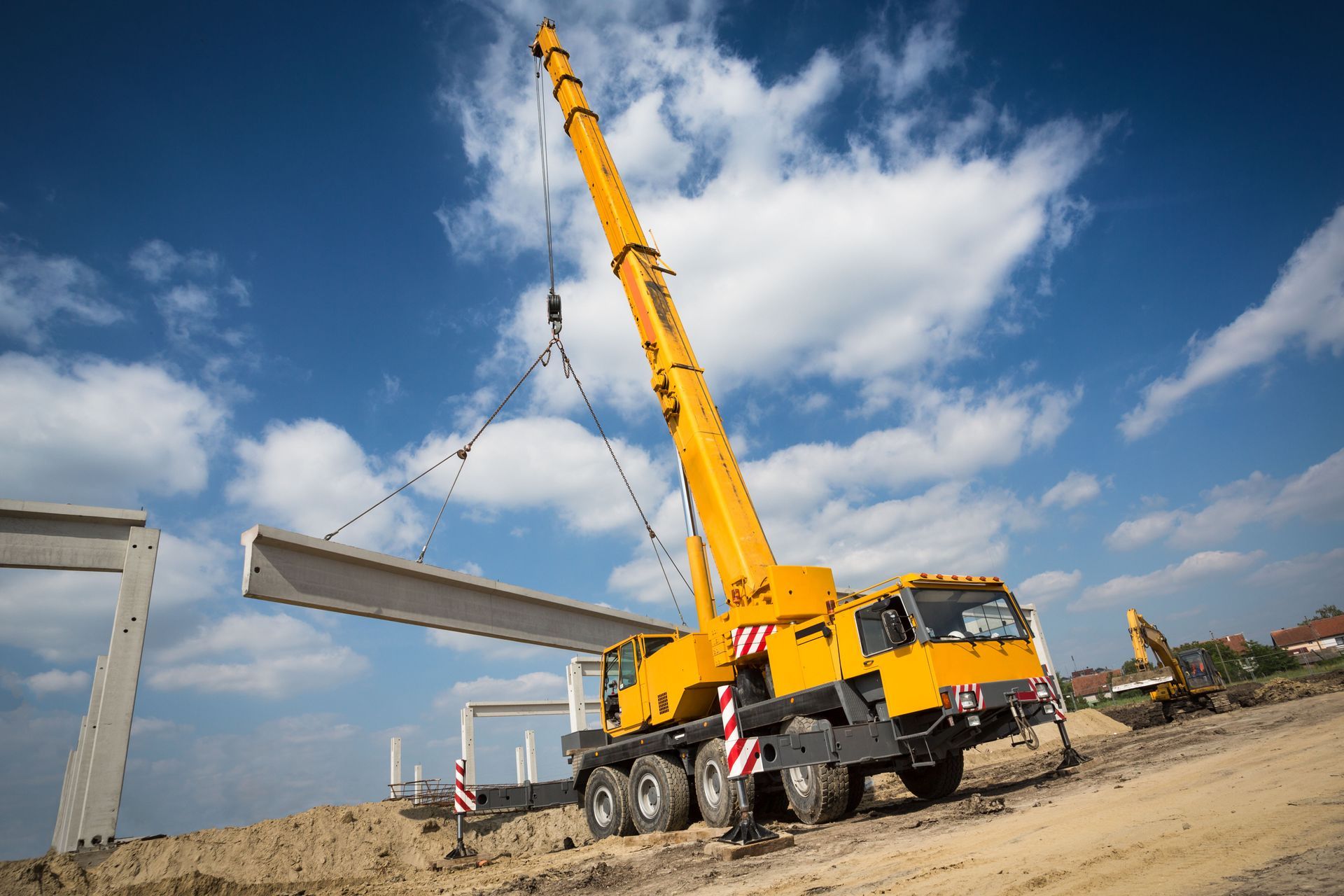
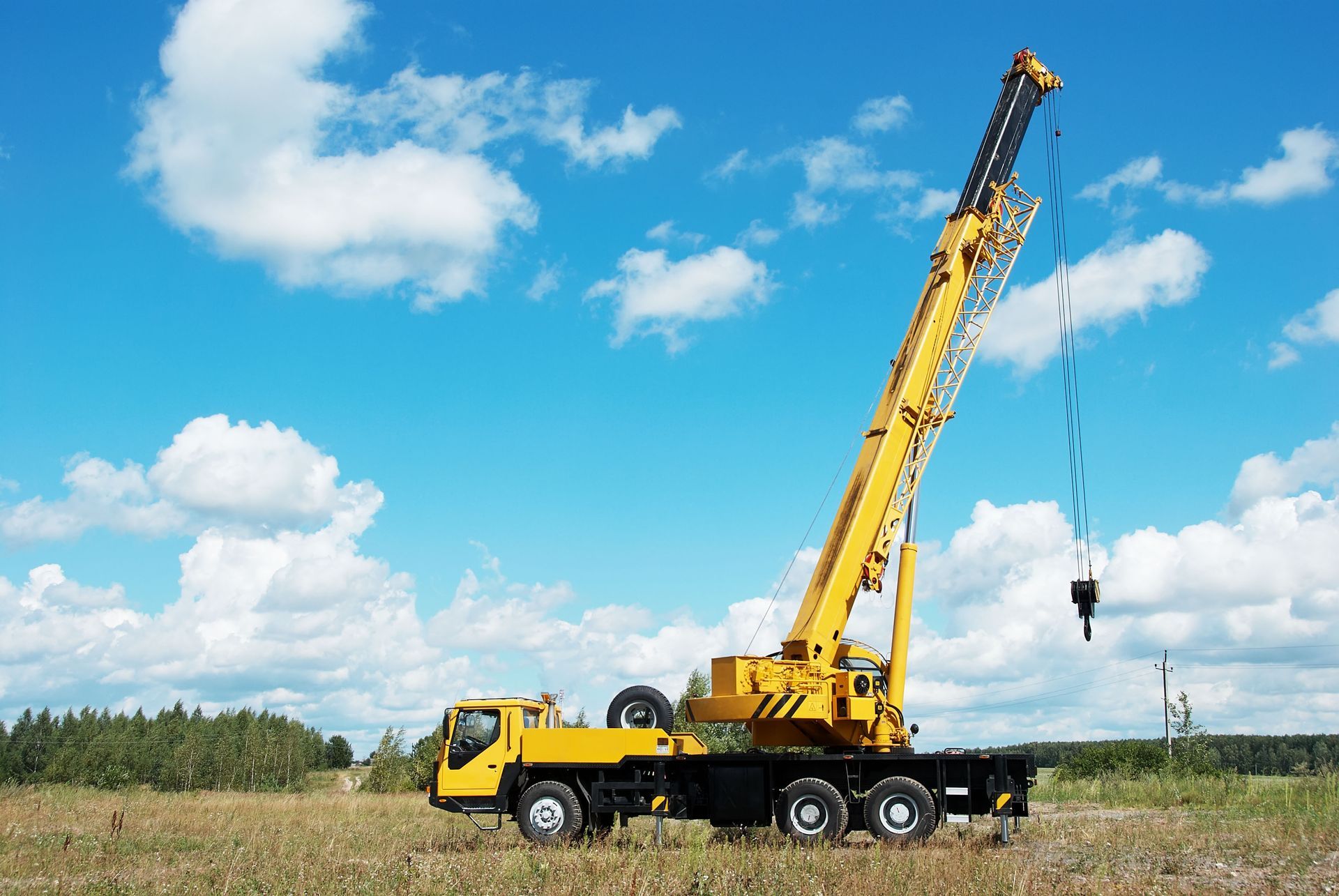
Not every lifting job calls for the same kind of machine, so knowing the basic crane styles helps you have a better conversation with a provider. Mobile cranes ride on heavy-duty wheels and can drive straight down public roads to your property, making them a top choice for quick residential lifts, tree removal, or placing heating units on a roof. Crawler cranes move on wide metal tracks instead of wheels, which lets them grip soft dirt, mud, or rough ground on big construction sites where heavy loads must move steadily over uneven terrain.
Other projects call for specialized machines built for tall city buildings, factories, or quick deliveries. Tower cranes stand hundreds of feet tall and stay anchored to the ground to lift steel and concrete on high-rise buildings. Overhead cranes run along ceiling tracks inside warehouses and repair shops to move heavy parts smoothly from one end of a building to another. For smaller deliveries, truck-mounted loader cranes fold behind a cab and lift supplies right where you need them.
Assessing Your Project Lifting Needs
Before calling local crane services for a price quote, take a few minutes to write down the basic details of what you need lifted. The single most important number is the exact weight of your item, whether it is a hot tub, a steel beam, or a downed oak tree. You should also measure how high the object needs to go and how far away the crane will sit from the drop spot. Sharing accurate weights and distances lets the company pick a machine strong enough to lift safely without charging you for oversized equipment you do not need.
Your project timeline also plays a big role in choosing the right rental plan and keeping costs fair. Think about whether your lift will take just two hours on a single morning or span several weeks of steady building work. Let the provider know if your schedule is flexible or tied to a strict delivery truck arrival time. When you give local crane services clear details about your load, lift distance, and schedule upfront, they can give you an honest, accurate estimate with zero surprise fees.
Checking Site and Weather Conditions
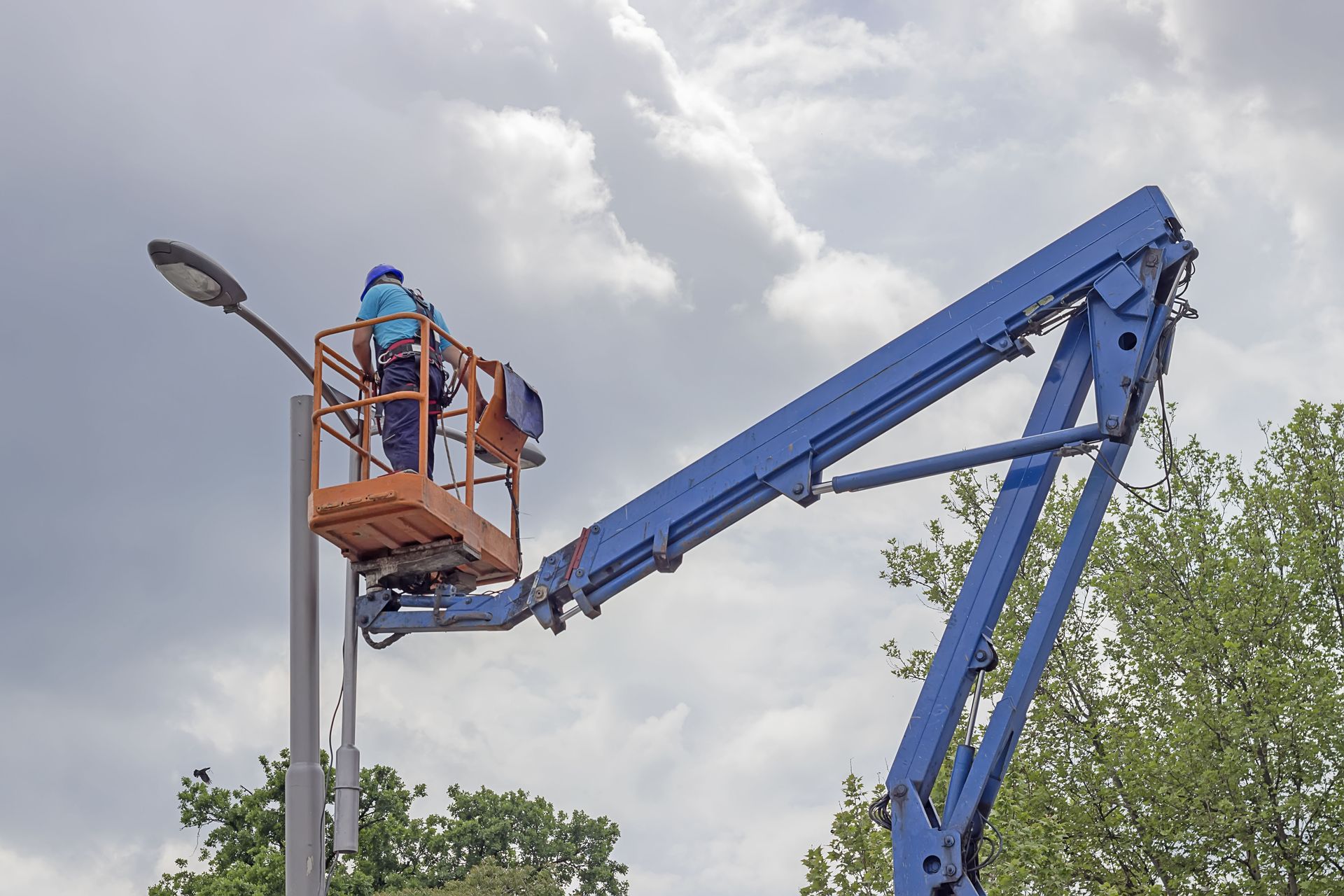
Every yard and job site has unique physical limits that affect where a crane can park and set up safely. Take a walk around your property and look for narrow driveways, low tree branches, soft lawn areas, or steep slopes. Mobile cranes need firm, level ground and extra room to extend their metal support legs, called outriggers, before lifting anything off the ground. Look up into the air as well to spot overhead power lines, phone cables, or nearby roofs that could block the crane boom as it swings.
Outdoor weather also shapes when and how a lifting crew can work safely on your property. Strong winds can push a lifted load around like a giant sail, while heavy rain can turn firm soil into soft mud that cannot support heavy tires. Good operators watch local forecasts closely and may suggest moving your lift by a day or two if gusty storms roll into town. Letting local crane services inspect your property photos or visit your site ahead of time helps them spot tight corners and weather risks early.
Following Safety and Legal Rules
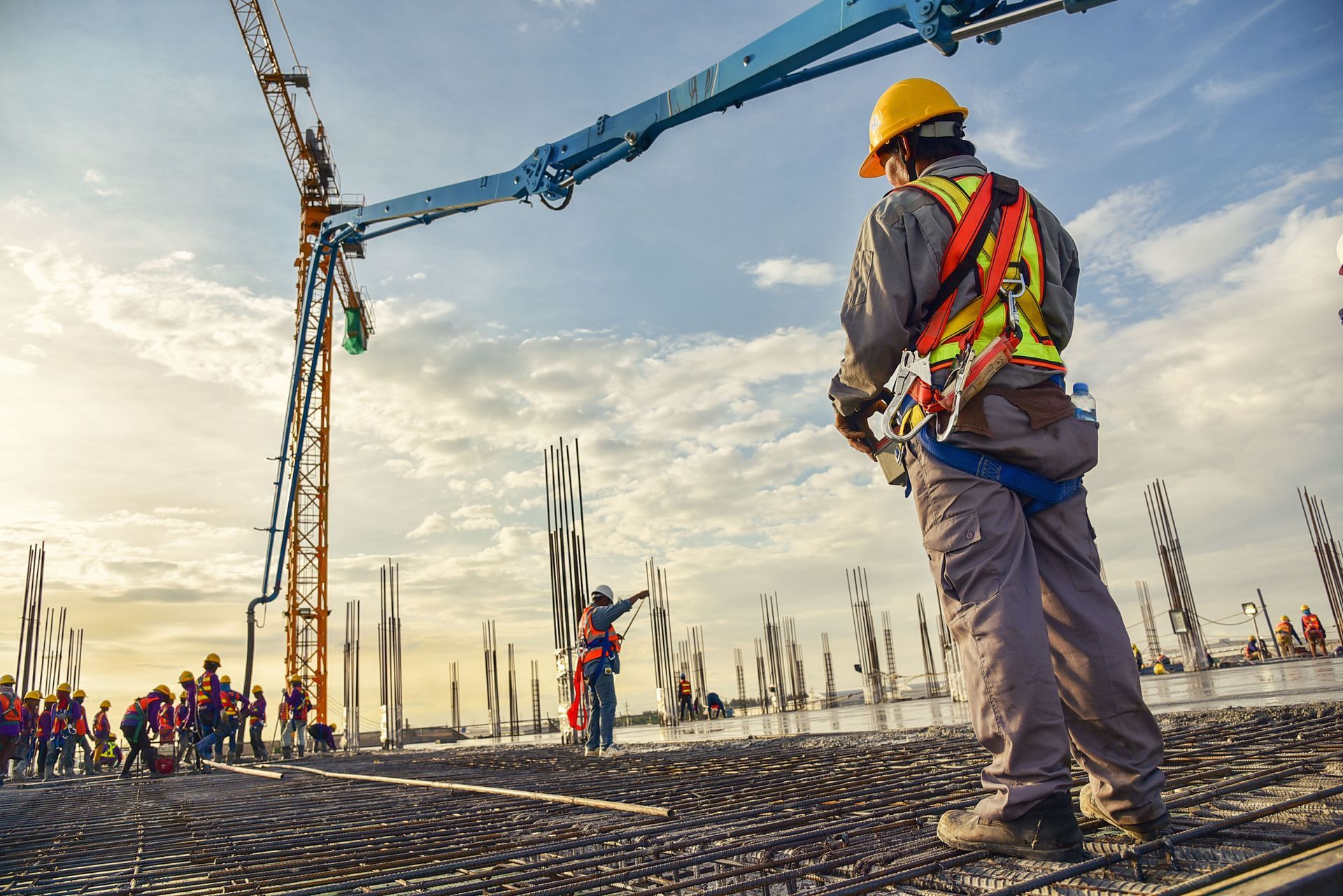
Heavy lifting leaves zero room for shortcuts, which is why strict safety rules protect workers, neighbors, and your home during every job. Professional crews inspect cables, hooks, and brakes before every shift and set up clear safety cones so bystanders stay well outside the swing zone. Never stand under a raised load or rush an operator when wind or ground conditions look questionable. A careful crew takes time to check weight limits and ground stability so every lift goes smoothly without accidents or property damage.
Local laws and neighborhood rules may also apply before a big crane rolls onto your street. If a crane needs to park on a public road or block a sidewalk, your city may require a temporary street permit or traffic flaggers. Some neighborhoods and homeowner associations also limit what hours heavy equipment can run or require proof of insurance before work begins. Asking local crane services about permits, street access, and insurance paperwork early keeps your project legal and prevents frustrating last-minute stoppages.
Reviewing Provider Licenses and Experience
Choosing a dependable lifting company starts with checking that both the business and its operators hold valid licenses and safety certifications. Crane operators must pass strict written and hands-on tests to prove they know how to balance heavy loads and handle emergencies calmly. Ask any company you call to share proof of current operator certifications and full liability insurance coverage. Working with properly licensed local crane services protects you from financial responsibility if an unexpected accident ever happens on your property.
Beyond basic paperwork, look for a company with hands-on experience handling projects similar to yours. Lifting a delicate glass sunroom onto a backyard deck takes a very different touch than hoisting heavy steel beams at a commercial warehouse. Feel free to ask how long the company has worked in your area and request examples of past residential or commercial lifts they have completed. Experienced
local crane services communicate clearly, answer your questions in plain language, and show genuine pride in keeping every job site clean and safe.
Preparing for Smooth Crane Operations
Once your lift date is scheduled, a little simple preparation on your end helps the crew finish quickly and safely. Clear parked cars, patio furniture, kids' toys, and trash cans out of the driveway and work area the night before the crane arrives. Make sure pets stay indoors and let neighbors know a crane will work nearby for a few hours. If a delivery truck brings the item you need lifted, confirm its arrival time so the crew is not waiting on the clock.
Having a clear plan on lift day keeps costs low and ensures your item lands in the exact spot you want. Mark the final placement area with bright tape or wooden stakes, and stay available by phone or in person to answer quick layout questions. With smart planning and the right crew, even the heaviest lifting challenge becomes easy to manage. When you are ready for safe, reliable lifting help on your next residential or commercial project, reach out to DNJ Crane Service today to discuss your needs and request a free quote.
Share On: